Self-Exclusion Mechanisms and Mobile Reward Structures in UK Licensed Football and Horse Racing Betting
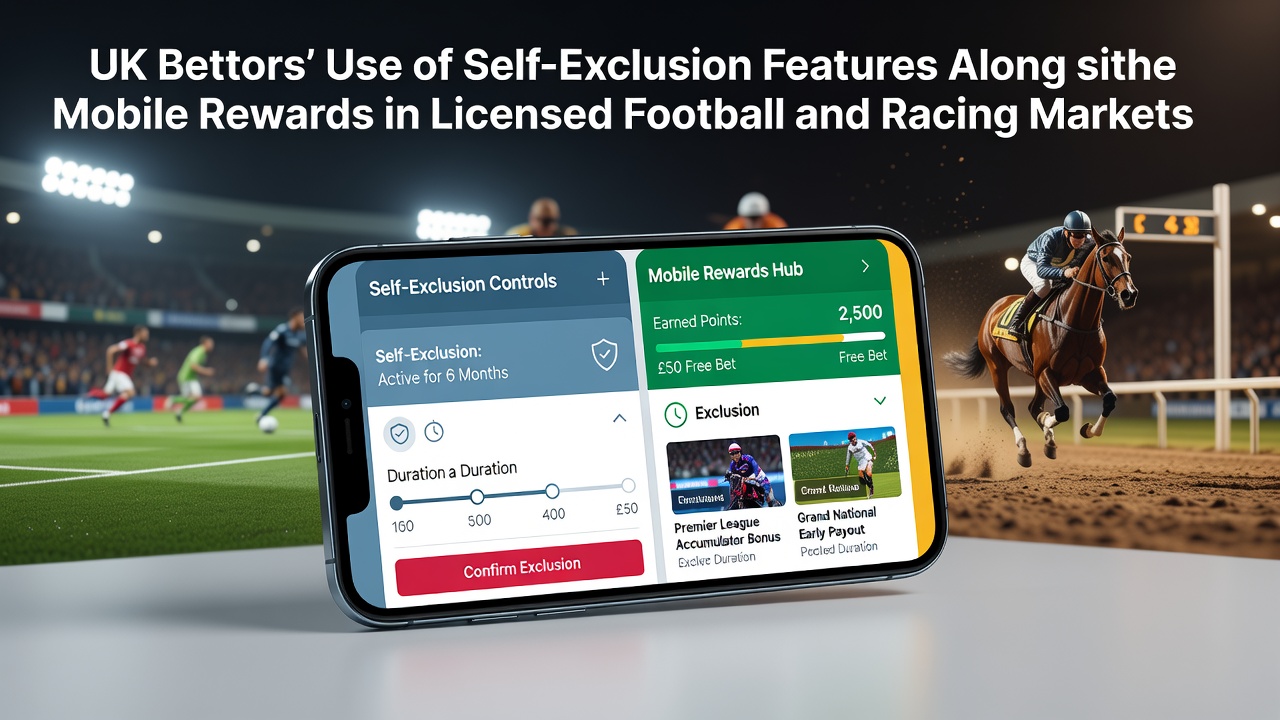
UK bettors in licensed football and horse racing markets continue to combine self-exclusion tools with mobile reward programs offered by operators, and this pattern has drawn attention from researchers tracking usage data through 2026. Licensed platforms provide options for account holders to set temporary or permanent blocks on their own activity, while simultaneously delivering in-app incentives such as deposit matches, free bets, and loyalty points tied to football matches or racing events.
Core Elements of Self-Exclusion in Licensed Markets
Self-exclusion features allow individuals to request blocks that prevent access to betting accounts for periods ranging from months to years, and operators must honor these requests across their mobile applications and websites. Data collected by industry monitoring groups shows steady uptake of these tools among users focused on football leagues and major racing festivals, with many accounts remaining inactive after the exclusion period begins. Operators integrate these controls directly into their mobile systems so that reward notifications cease once a block activates, which reduces unintended exposure during the exclusion window.
Studies from the National Council on Problem Gambling indicate that users who activate self-exclusion often maintain separate accounts on other platforms, yet licensed UK operators enforce stricter cross-checks that limit this overlap in football and racing segments. Mobile reward structures, including cashback on losing bets and event-specific free bets, operate under the same licensing rules that require clear separation from excluded accounts.
Mobile Rewards and Their Delivery in Football Markets
Football betting apps distribute rewards through push notifications and in-app wallets that activate upon qualifying deposits or bets on Premier League fixtures and European competitions. Figures from academic reviews reveal that reward redemption rates remain higher during peak match weeks, while self-exclusion requests tend to cluster immediately after major tournaments end. Operators adjust reward frequency based on user activity logs, and those logs automatically flag accounts that have previously used exclusion features.
Patterns Observed in Horse Racing Segments
Racing markets feature mobile rewards tied to specific meetings such as Cheltenham and Royal Ascot, where free bet credits appear after minimum stake thresholds are met. Researchers have documented that self-exclusion usage in racing accounts rises during off-peak months, whereas reward engagement peaks around festival dates. Licensed platforms apply the same exclusion protocols to racing apps as they do to football products, ensuring that any active block suspends reward eligibility without exception.
One study revealed that users who combined both features frequently set shorter exclusion periods initially, then extended them after re-engaging with mobile rewards upon return. This cycle appears in aggregated operator data covering the 2025-2026 racing calendar and the concurrent football season.

Interaction Between Exclusion Tools and Reward Systems
Operators link self-exclusion databases to reward engines so that mobile offers do not reach excluded users, and this technical connection has become standard across licensed football and racing products. External reports from Gambling Research Australia highlight similar integration approaches in other jurisdictions, where reward suspension during exclusion periods correlates with lower repeat sign-up rates after blocks lift. In the UK context, the same principle applies, with data showing that football and racing accounts subject to exclusion rarely receive new reward prompts until the block expires and the user actively opts back into marketing.
August 2026 marks the start of a new football campaign alongside ongoing summer racing fixtures, and early indicators suggest continued parallel growth in both self-exclusion activations and mobile reward redemptions. Industry organizations note that operators refine their reward algorithms to account for prior exclusion history, which results in more conservative offer targeting for returning users.
Regulatory and Research Context Beyond UK Borders
International comparisons drawn from sources such as the National Council on Problem Gambling demonstrate that self-exclusion paired with reward management produces measurable effects on account longevity in sports betting. Parallel findings from Gambling Help Online in Australia show that mobile reward visibility drops sharply once exclusion is recorded, mirroring practices observed in licensed UK markets. These patterns hold across football-style event betting and racing calendars in multiple regions.
Conclusion
Available data confirms that UK bettors in licensed football and racing markets use self-exclusion features in tandem with mobile reward programs, and operators maintain technical safeguards that separate the two functions. Research continues to track how these elements interact through seasonal cycles, including the period beginning in August 2026. External studies from varied jurisdictions provide additional context on the operational methods employed by licensed platforms.